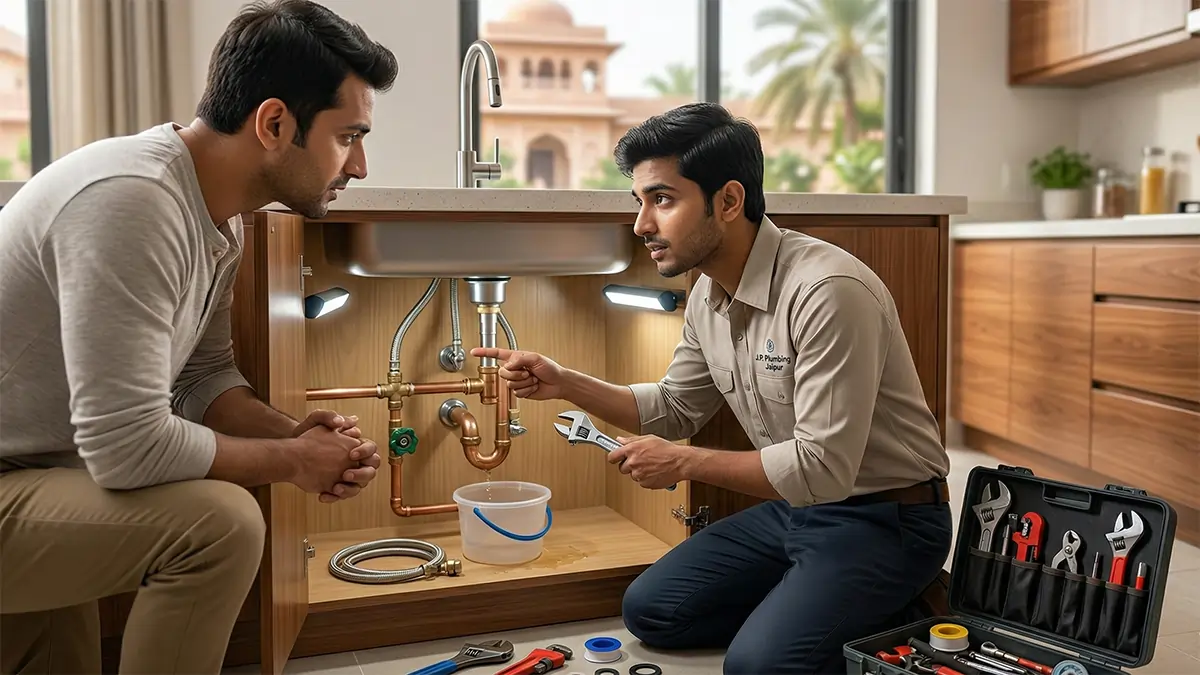
If you’ve ever woken up to a dripping faucet sound at night or panicked seeing water pooling under the kitchen sink, you know plumbing troubles can turn any normal day upside down. The truth is, most of these headaches are actually preventable. I’m not a professional plumber, but after dealing with my fair share of clogs, leaks, and “why is the toilet making that noise?” moments, I’ve learned some simple tricks that really work. Let’s walk through them together in easy steps so you can keep your home running smoothly.
The Importance of Regular Maintenance
Your plumbing is like your health – ignore small warning signs, and the problem grows bigger and more painful (and expensive!). A quick check every couple of months can stop disasters before they start.
Here’s what I do:
- Peek under all sinks for any wetness or tiny drips.
- Pour a kettle of hot water down the kitchen and bathroom drains weekly.
- Run water in guest bathrooms or rarely used taps so the water in the traps doesn’t dry up.
- Glance at your geyser (water heater) for rust spots or small leaks.
Just 15–20 minutes every 2–3 months can save you from calling a plumber in the middle of the night.
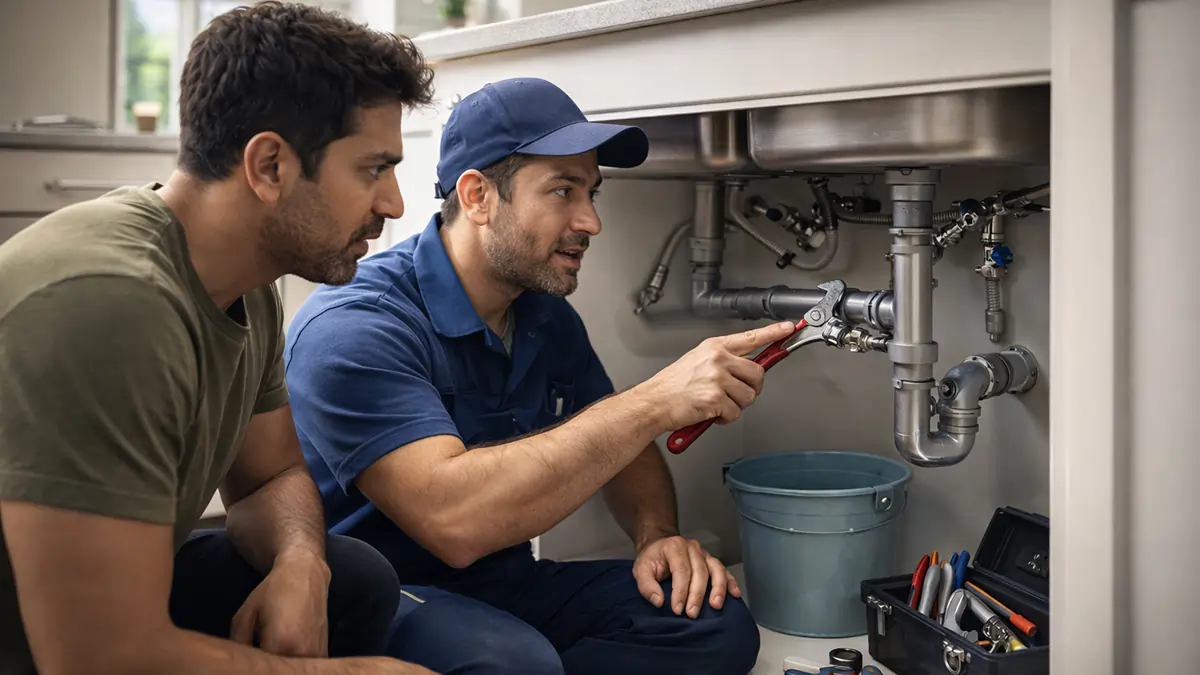
Essential Plumbing Tools Every Homeowner Should Have
You don’t need a full workshop, but these few things make life so much easier:
- Adjustable wrench (crescent wrench) – tightens/loosens almost anything
- Good plunger (flat for sinks, bell-shaped for toilets)
- Drain snake (cheap plastic ones work for small clogs)
- Bucket (to catch water mess)
- Teflon tape (for sealing pipe threads)
- Flashlight (plumbing problems love dark corners!)
- Basic pipe wrench and a small hacksaw
Keep them in one box under the sink. Trust me, the day you need them, you’ll be glad they’re there.
Understanding Common Plumbing Issues
In most Indian homes, these are the usual suspects:
- Slow-draining or fully blocked sinks/showers
- A toilet that keeps running or refilling every few minutes
- Very low water pressure in taps or showers
- Non-stop dripping taps (annoying and wasting water)
- Hammering or banging pipes when you turn water on/off
- Geyser giving very little hot water
- Hidden leaks behind walls or under floors
Most start tiny – a slow drip becomes a flood if ignored.
DIY Fixes for Simple Plumbing Problems
Many small issues you can handle yourself (and feel like a hero!):
- Clogged sink: Plunge hard first. Still stuck? Unscrew the U-shaped pipe (P-trap) underneath, clean out the gunk, rinse, and put it back.
- Dripping tap: Usually a worn-out washer. Shut off the water below the sink, open the tap fully, replace the small rubber washer (₹10–20 only), and done!
- Running toilet: Lift the cistern lid. If the flapper isn’t closing properly, adjust the chain or replace the flapper (super easy).
- Low shower pressure: Unscrew the showerhead, soak it in vinegar overnight to remove mineral buildup.
- Gurgling sound: Try plunging or a mild drain cleaner (use carefully).
Always turn off the water first and keep old towels ready.
When to Call a Professional Plumber
Some jobs are not worth the risk:
- Zero water coming to the house
- Sewage smell or backup in drains/toilet
- Big leak inside the walls or floor
- The geyser is leaking heavily or not heating at all
- Clogs that keep coming back despite your efforts
- Anything involving the main sewage line or gas pipes
A good plumber fixes it fast, safely, and prevents bigger damage later.
Benefits of Energy-Efficient Plumbing Solutions
Small upgrades = big savings:
- Low-flow showerheads and taps cut your water bill noticeably
- New 4–6 liter flush toilets save thousands of liters yearly (old ones use 10+ liters!)
- Insulate hot water pipes so water stays hot longer
- Consider a tankless geyser – heats water only when needed
- Fix every leak quickly – even a slow drip wastes a lot over months
These changes help your pocket and the environment, too.
Top Tips for Preventing Plumbing Emergencies
My personal favorites that actually work:
- Never pour oil, ghee, tea leaves, or coffee grounds down the drain
- Put mesh strainers in every sink
- Flush only toilet paper – no wipes, cotton, pads, etc.
- Know your main water shut-off valve location (test it once)
- Insulate outdoor/exposed pipes in winter (important even in Jaipur nights)
- Get drains professionally cleaned every 1–2 years
- Check water pressure – too high damages pipes
- Teach everyone in the house what not to flush!
Conclusion: Maintaining a Healthy Plumbing System
A good plumbing system is like a quiet friend – you only notice it when it starts complaining! With simple habits, basic tools, and quick fixes for small problems, you can avoid most emergencies and expensive repairs.
Start small: pick one tip from this post and do it this weekend. Your home (and your wallet) will thank you.

I am Hazel, a passionate author covering Business, Home Decor, Trending Topics, Jobs, Health, Education, and Technology. I am dedicated to helping readers stay informed and prepared in a rapidly evolving world. Through clear insights into market trends, learning opportunities, and emerging health and technology innovations, I strive to provide practical knowledge that promotes a smarter, healthier, and more productive lifestyle.