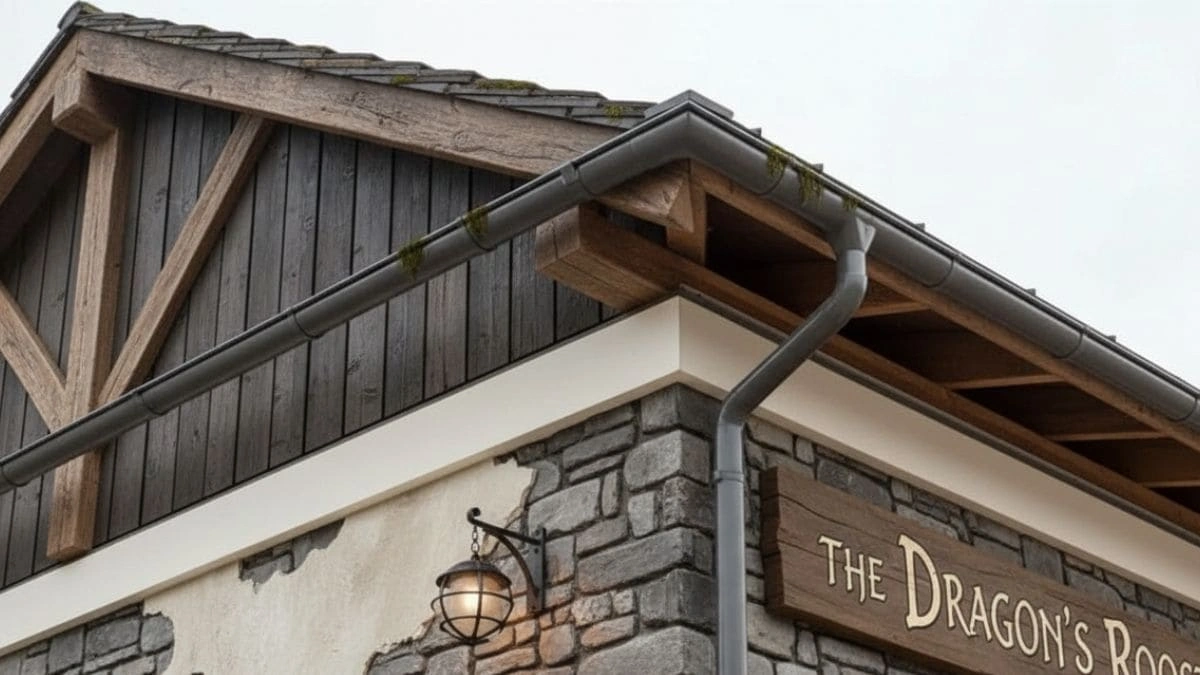
Hey there! Have you ever noticed how most house roofs extend a little beyond the outer walls? That small extension is called a roof overhang (sometimes called eaves). It might seem like a tiny detail, but it plays a surprisingly big role in protecting your home and making it more comfortable.
Think of it as a built-in umbrella for your house. In this post, we explore valuable information on what roof overhangs actually do, the main benefits they bring, the different types you can choose, and a simple step-by-step overview of how they’re typically installed or extended. Let’s get into it!
What Exactly is a Roof Overhang?
A roof overhang is simply the part of the roof that projects past the exterior walls. It usually includes:
- Eaves — the lower horizontal edge that sticks out.
- Rake — the sloping edge along the gable (triangular) ends.
- Soffit — the finished underside panel (often vented for attic airflow).
- Fascia boards and sometimes gutters around the perimeter.
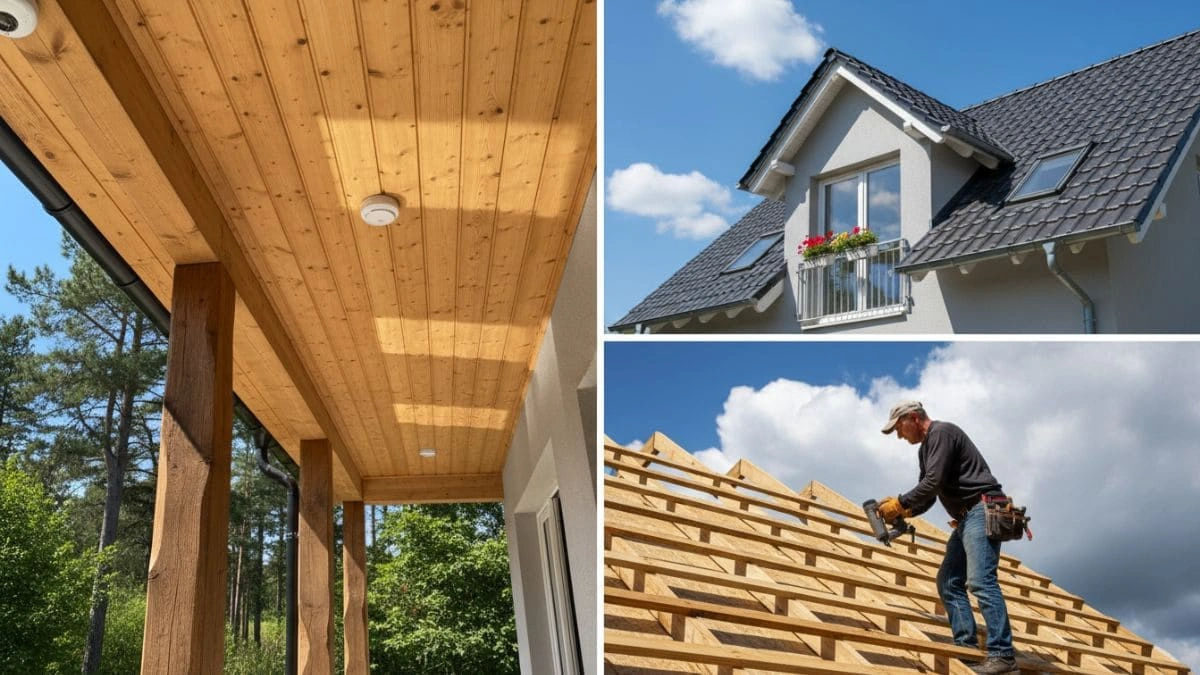
Without this extension, rainwater would run straight down the walls, windows, and foundation. Sun would beat directly on the siding, and wind-driven rain could sneak under the roof edges. So even though it looks basic, the overhang is doing some serious work behind the scenes.
The Main Benefits of a Good Roof Overhang
When it comes to the benefits of a good roof overhand, many benefits you can take. Here is a breakdown of the biggest reasons why overhangs are included in almost every well-designed home:
Always Keeps Water Away from Walls and Foundation
It is one of the most common benefits of a good roof overhang. Rain falls farther from the house instead of splashing against the siding or pooling near the base. This reduces the risk of mold, wood rot, peeling paint, and even long-term foundation issues.
Blocks Harsh Sun and Helps Lower Cooling Costs
It is another great benefit of a perfect roof overhang. A decent overhang shades windows and walls from direct sunlight during the hottest parts of the day. Rooms stay naturally cooler, which means less strain on air conditioning and lower electricity bills in summer.
Improves the Overall Look of Your Home
The right overhang adds depth, balance, and a polished appearance. Whether the style is modern, traditional, or anything in between, it makes the roof look intentional and professional rather than flat or unfinished.
Improves Attic Ventilation (Especially with Vented Soffits)
It is also a top benefit of a better roof overhang. Vented soffits allow fresh air to enter the attic space, which helps remove heat and moisture. Better airflow means less chance of mold, longer roof life, and improved energy efficiency.
Extra Shield Against Wind-Driven Rain
This is another main benefit of a perfect roof overhang. In stormy weather, overhangs stop water from being blown under the roof edges and damaging interior areas.
In short, a thoughtful overhang quietly protects your home every day while making life inside more comfortable and saving money over time.
Common Types of Roof Overhangs
When we talk about the most common types of roof overhangs, there are different types of roof overhangs available. Different styles suit different roofs, climates, and tastes. Here are the most popular ones:
Open Eaves (Exposed Rafter Tails)
It is one of the most important types of roof overhang. The wooden rafters are left visible from below. This gives a rustic, classic look often seen on older or countryside-style homes. It allows great natural ventilation but offers less protection from rain, wind, and pests.
Closed/Boxed Eaves (with Soffit)
The underside is fully enclosed with panels (soffit). It looks clean and modern, protects the rafters, keeps insects and birds out, and usually includes vents. This is the most common choice for newer homes.
Gable/Rake Overhang
The extension along the triangular gable ends. It protects the gable wall from rain and adds symmetry to the roofline.
Hip Roof Overhang
Overhangs wrap around all four sides of a hip roof. Excellent for wind resistance and even water runoff.
Shed or Flat Roof Overhang
A straightforward extension. Simple, modern, and very effective for directing water away.
Overhang lengths typically range from 12 to 36 inches (30–90 cm). Longer ones give more protection but add a bit to material and labor costs.
Installation Guide: Adding or Extending a Roof Overhang
If your home has very little overhang and you’d like to add or extend one, it’s usually a job for experienced roofers or carpenters. But here’s a clear overview of how it’s normally done:
Plan Carefully
Start by deciding on the desired extension length (18–24 inches is a popular starting point). Check local building codes and measure everything accurately.
Prepare the Existing Roof Edge
After deciding on the desired extension length, this is the next step. Safely remove old fascia, gutters, or trim. In some cases, a small section of roofing near the edge may need to be lifted or removed.
Extend the Rafters (Sistering)
Cut new rafter tails to match the existing roof slope. Attach them securely to the current rafters with strong fasteners (nails, screws, or bolts), overlapping them well for strength.
Build the New Outer Edge
Install a new fascia board along the extended edge. Add drip-edge flashing to guide water away properly.
Finish the Underside
Once you build the new outer edge, it is the next step. Attach soffit panels (vented if desired). Make sure everything is sealed and neat.
Complete with Roofing and Gutters
Extend shingles, tiles, or metal roofing over the new section. Reinstall or add gutters to handle the increased runoff.
Safety first—always use proper ladders, harnesses if needed, and follow best practices. If you’re not experienced with roofing work, hiring professionals is the safest and smartest choice to avoid leaks or structural issues.
Final Thoughts
Although it may not be the most visually appealing feature of a home, a roof overhang is one of the most intelligent. It promotes ventilation, protects your walls from rain, makes your house cooler in the summer, and gives the whole design a genuine sense of character.
Do not ignore this little but effective feature when planning a roof renovation or building a new house. In terms of safety, comfort, and long-term savings, a well-selected overhang pays for itself many times over.
Have you observed the impact that a well-designed overhang has on nearby homes? If you have ever extended or added one, please leave a comment; I would love to know!
Try an online search to learn more about the Roof Overhang.

I am Hazel, a passionate author covering Business, Home Decor, Trending Topics, Jobs, Health, Education, and Technology. I am dedicated to helping readers stay informed and prepared in a rapidly evolving world. Through clear insights into market trends, learning opportunities, and emerging health and technology innovations, I strive to provide practical knowledge that promotes a smarter, healthier, and more productive lifestyle.