
Have you ever walked into a room and felt stuffy, like the air is heavy and not fresh? Or maybe you’ve noticed headaches, tiredness, or even allergies acting up when you spend too much time indoors? That’s often because the air inside our homes isn’t getting refreshed properly. We spend most of our day inside—whether working from home, relaxing, or sleeping—so the quality of that indoor air really matters for our health and comfort.
Why Proper Ventilation Matters
Proper ventilation simply means bringing fresh outdoor air inside and pushing stale air out. When we do this right, it keeps the air clean, reduces harmful stuff floating around, and stops moisture from building up. Good ventilation helps prevent mold, keeps us feeling more alert, and lowers the chances of breathing problems or getting sick easily. Think about it: fresh air makes you feel better instantly, right? That’s ventilation doing its job!
Common Indoor Air Pollutants
Our homes trap all kinds of things in the air that we don’t want to breathe. Here are some common ones:
Dust, pet dander, and pollen — These tiny particles come from carpets, furniture, pets, or even open windows.
Volatile Organic Compounds (VOCs) — These gases come from paints, cleaning products, new furniture, air fresheners, and glues. They can make your eyes water or give you headaches.
Carbon monoxide — A silent danger from gas stoves, heaters, or cars in attached garages. It’s colorless and odorless but very harmful.
Mold spores and excess moisture — From bathrooms, kitchens, or leaky spots; they grow fast in damp places.
Cooking smoke and odors — Frying food or burning toast releases particles and gases.
Without enough fresh air coming in, these pollutants build up and can cause tiredness, irritated eyes, coughing, or worse over time.
Smart Ventilation Hacks
Here are smart ventilation hacks:
Natural Ventilation
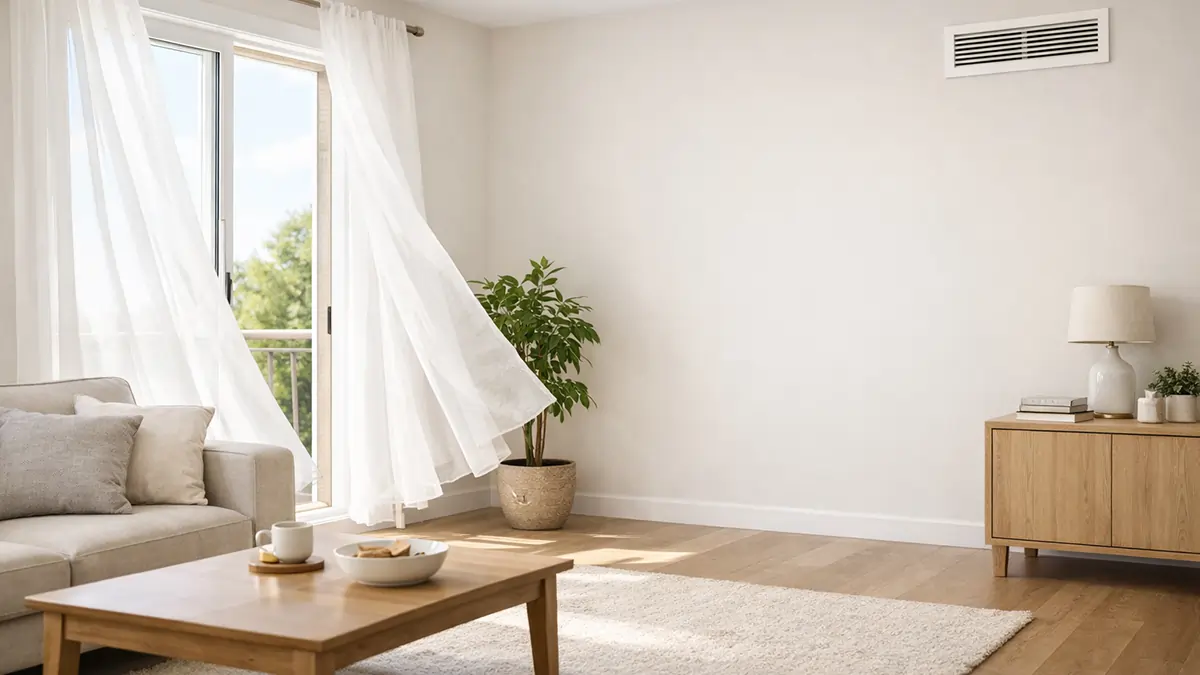
The easiest! Just open windows and doors when the weather is nice. It lets fresh air flow through naturally with wind or temperature differences.
Spot Ventilation
This targets specific areas like bathrooms and kitchens. Exhaust fans pull out moist, smelly air quickly.
Whole-House Ventilation
For bigger help, systems like exhaust fans, supply fans, or balanced systems (like heat recovery ventilators) bring fresh air into the whole home while removing stale air. Modern energy-efficient homes often use these to stay comfortable without wasting energy.
Signs of Poor Ventilation
Your home might be telling you it needs better air flow. Watch for these clues:
- Stuffy or stale smell that doesn’t go away.
- Windows fogging up a lot or condensation on the walls.
- Feeling sleepy, headache, or feeling dizzy after staying inside.
- More allergies, sneezing, or breathing trouble.
- Mold spots on walls, ceilings, or in corners.
- High humidity makes the air feel sticky.
If you notice these, it’s time to act!
How to Improve Indoor Ventilation
The good news? You can make big improvements without spending a fortune. Try these simple steps:
- Open windows daily, even for 10-15 minutes, especially in the morning or evening when it’s cooler.
- Use exhaust fans every time you shower, cook, or do laundry—run them for 20 minutes after to clear the air.
- Keep doors open inside the house so air can move freely between rooms.
- Clean or replace air filters in your AC or fan regularly.
- Add houseplants that help clean the air naturally (like snake plant or peace lily).
- If your home is very airtight (common in new buildings), think about a simple exhaust fan or a whole-house ventilator.
- Avoid smoking indoors and use low-VOC paints or cleaners.
Start small—these changes can make your home feel fresher right away.
The Link Between Ventilation and Energy Efficiency
Here’s something interesting: good ventilation and saving energy can go hand in hand! Many people think opening windows wastes electricity from AC or heaters, but smart ventilation actually helps.
Modern systems like energy recovery ventilators (ERVs) or heat recovery ventilators (HRVs) bring in fresh air while keeping most of the heat or coolness inside. They reduce the load on your AC or heater, so your bills don’t shoot up. Proper ventilation also stops moisture problems that make your AC work harder. So, better air quality often means lower energy use in the long run.
Final Suggestion
In the end, proper ventilation is one of the simplest yet most powerful ways to keep your indoor space healthy and comfortable. Fresh air isn’t a luxury—it’s something our bodies need every day. By paying a little attention to how air moves in your home, you can breathe easier, feel better, and even save some money on energy. Give it a try this week—open those windows and see the difference!

I am Hazel, a passionate author covering Business, Home Decor, Trending Topics, Jobs, Health, Education, and Technology. I am dedicated to helping readers stay informed and prepared in a rapidly evolving world. Through clear insights into market trends, learning opportunities, and emerging health and technology innovations, I strive to provide practical knowledge that promotes a smarter, healthier, and more productive lifestyle.