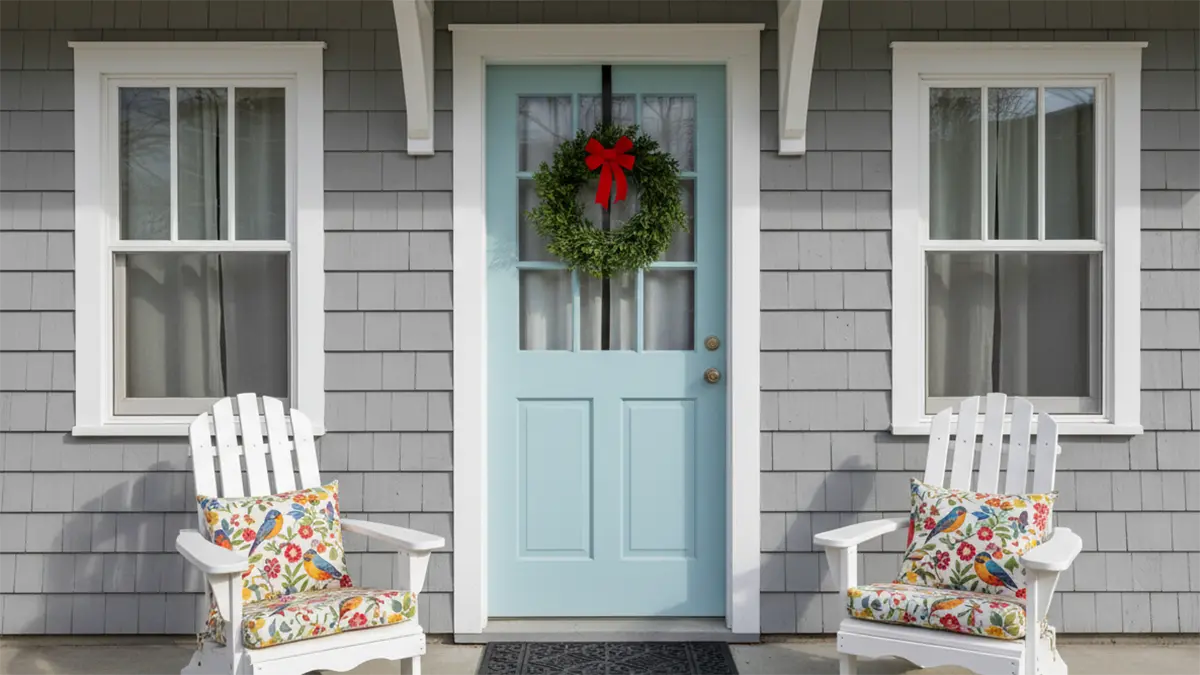
If you’ve been scrolling through home design ideas and suddenly spot those cute split doors that look straight out of a cozy farmhouse, you’re not alone. I’ve recently fallen in love with interior Dutch doors — you know, the ones cut in half horizontally so the top opens while the bottom stays closed.
I decided to add one in my home, and honestly, it’s been one of the best small upgrades I’ve ever made. It feels classic yet super practical. Today, I’m sharing why I chose it, where it works best, how to pick the right style, some easy tips for putting it in and keeping it nice, and whether it might be right for you, too.
Why Choose an Interior Dutch Door for Your Home?
There are so many good reasons to go for an interior Dutch door. First off, it brings in tons of natural light and fresh air without opening the whole door. Imagine cooking in the kitchen and letting a nice breeze come through while keeping little kids or pets from wandering in — that’s pure magic!
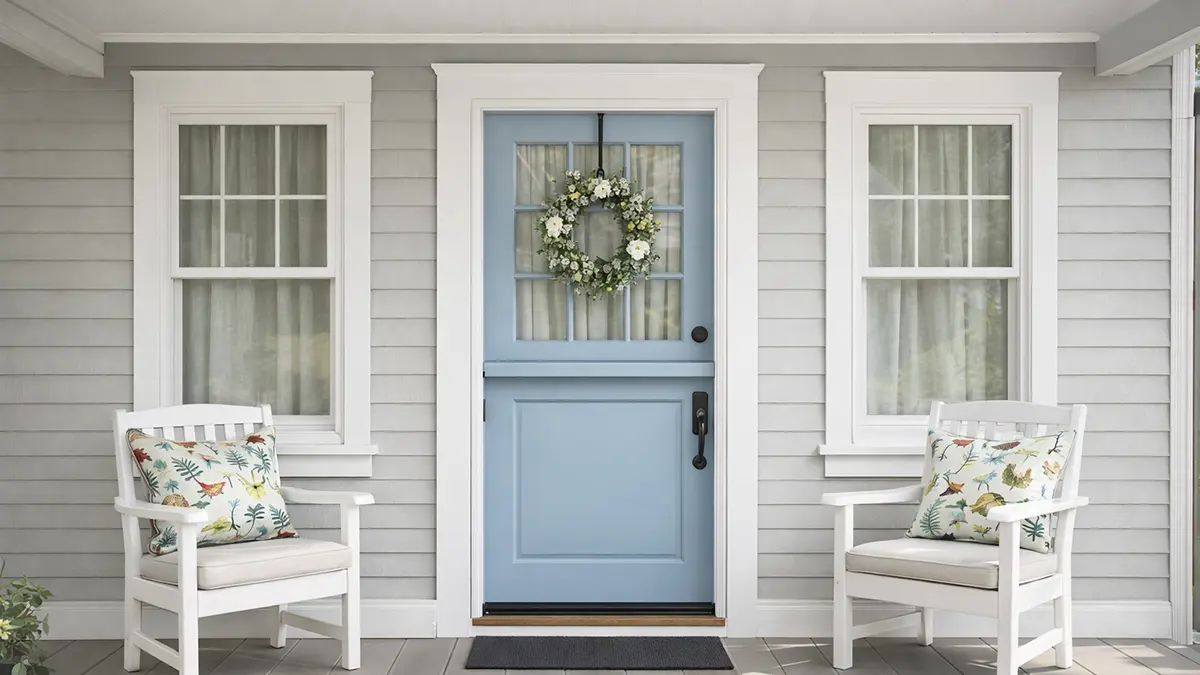
They also add a charming, old-world vibe that makes any room feel warmer and more inviting. Unlike regular doors that can feel plain, a Dutch door becomes a little focal point. It’s great for homes with kids or pets because the bottom half acts like a gentle barrier. You can chat with someone on the other side, keep an eye on things, but still have separation when you need it.
Another big plus? They help with ventilation and can even make your home feel more energy-friendly in milder weather — less need to crank the AC when you get that natural flow. Plus, they look adorable and spark conversations every time someone visits. Who doesn’t love a door that feels both pretty and smart?
The Best Places to Install an Interior Dutch Door
Not every spot in the house needs a Dutch door, but some places are perfect for it.
Kitchen to pantry or dining area — This is my favorite. You can keep snacks in sight (or hide the mess!) while still seeing and talking to family in the next room. It makes the space feel open but organized.
Laundry room or utility space — If your laundry area connects to a hallway or family room, a Dutch door lets air circulate (goodbye, stuffy smells) while keeping dirty clothes out of sight.
Playroom or kids’ room entrance — Super handy for parents. The top half stays open so you hear everything, but toddlers can’t easily escape. It’s like a built-in baby gate that looks way cuter.
Home office to living area — Want to work in peace but still feel connected? Open the top for light and chatter, close both for focus time.
Between indoor spaces like a bonus room or mudroom — Anywhere you want partial separation without closing things off completely.
Avoid super formal rooms like a living room if you want a polished look — Dutch doors shine in casual, everyday areas.
Choosing the Right Interior Dutch Door Style
Picking the style is the fun part! Dutch doors come in lots of looks to match your home.
Classic panel style — Think raised panels in wood (like oak or pine). It gives that timeless farmhouse feel — warm and rustic.
With glass — Add windows on the top half for even more light. Clear glass keeps things bright; frostedglass adds privacy if needed.
Shaker or modern simple — Clean lines, flat panels — perfect if your home is contemporary or minimalist. Paint it white or a soft color for a fresh vibe.
Painted vs. natural wood — White or pastel painted doors feel light and airy. Natural wood stains bring cozy warmth — go with what fits your decor.
Size and hardware — Make sure it fits your doorway perfectly. Add cute handles, a slide bolt to lock the halves together, or even a small shelf on the bottom half for plants or keys.
Start with something that matches your other doors so it blends in naturally.
Installation and Maintenance Tips
Installing an interior Dutch door isn’t too scary, especially if you get a pre-made one or hire a pro.
- Measure your opening twice (width, height, and depth) before buying.
- Most come as two halves with extra hinges — usually four total instead of three.
- Hang the bottom half first, make sure it’s level with a small gap at the floor (about ½ inch), then add the top.
- Use shims if needed to keep everything straight and plumb.
- If you’re handy, you can even turn a regular door into a Dutch one by cutting it carefully (but get help if you’re new to this!).
- Pro tip: Paint or finish the door before installing to avoid a mess.
For maintenance, it’s easy:
- Dust regularly and wipe with a damp cloth.
- Check hinges and bolts every few months — tighten if loose.
- If wood, refresh the paint or stain every couple of years.
- Avoid heavy slamming to keep the halves aligned.
With basic care, it stays beautiful for years.
Final Thoughts: Is an Interior Dutch Door Right for You?
If you’re looking for something that adds charm, lets light and air flow, and solves small everyday problems (like keeping pets or kids contained), then yes — an interior Dutch door could be perfect for your home. It’s not just a door; it’s a little upgrade that makes daily life feel nicer and your space more special.

I am Hazel, a passionate author covering Business, Home Decor, Trending Topics, Jobs, Health, Education, and Technology. I am dedicated to helping readers stay informed and prepared in a rapidly evolving world. Through clear insights into market trends, learning opportunities, and emerging health and technology innovations, I strive to provide practical knowledge that promotes a smarter, healthier, and more productive lifestyle.